
Hacettepe University Faculty of Medicine
Department of Otorhinolaryngology (Ear-Nose-Throat)
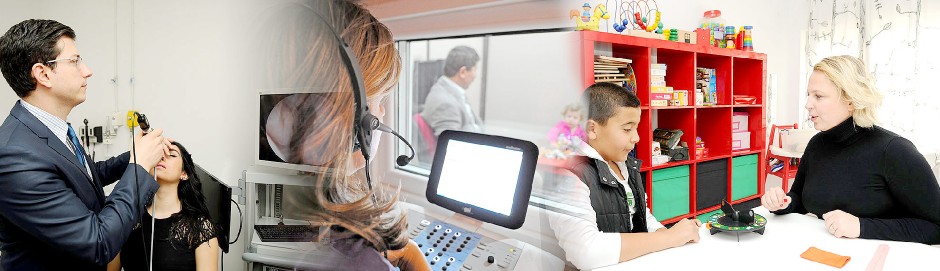
The state of art devices and treatment methods employed for diagnosing and treating otorhinolaryngologic diseases are used by the expert personnel, particularly by the academic staff and the instructors of Hacettepe University Faculty of Medicine Department of Otorhinolaryngology. Department of Otorhinolaryngology provides service in Hacettepe Adult Hospital while Speech Pathology and Audiology Unit provides service in both Hacettepe Adult Hospital and Vocational School of Health Services.
10 examination rooms,2 flexible endoscopies (1 for adults and 1 for children), 1 videolaryngostroboscopy, 1 acoustic rhinometry and a small operating room which is suitable for basic types of intervention are available in Outpatient Clinic of Otorhinolaryngology. 6 silent rooms, 4 audiometric devices, 1 high frequency audiometer, 4 impedance meters, 2 ABR (auditory brainstem response) devices, 2 otoacoustic stimulators, 1 caloric test, cochlear programming system for 3 different brands, 1 biofeedback device, as well as computerized customization system for audioanalyzers and hearing aids are available in Speech Pathology and Audiology Unit.
2 operating rooms of Otorhinolaryngology, where the latest surgical techniques of the world are employed, are equipped with an endoscopic sinus surgery system and microdebrider, 1 CO2 laser system and 1 Coblator system used in surgery for snoring.
Speech Pathology and Audiology Unit has been established by Hacettepe University for the first time in Turkey and it still the largest center country-wide. Our cochlear implantation (bionic ear) team, which is comprised of 3 surgeons, 4 audiologists and 3 training audiologists, is the largest cochlear implantation team of Turkey.
Services Offered
Otorhinolaryngologic Examination Methods and Tests
Otorhinolaryngologic Examination
Otorhinolaryngologic examination is given while the patient is sitting in one of the examination seats within the outpatient clinic. Regardless of the symptom of interest experienced by the patient, both ears, nose, throat and larynx of the patient are absolutely examined. Larynx examination is given by the help of a mirror introduced into the mouth while the tongue of patient is pulled out. A medication is sprayed in order to anesthetize the throat of patients with particular gag reflex. This bitter-tasting medication does not cause any harm when swallowed. If you experienced adverse events after the administration of a similar medication previously, you should definitely remember to inform your physician in this regard. Do not eat or drink anything for at least 1 hour after this medication has been sprayed.
Ear Examination Under Microscope
Certain circumstances could require an examination of your ears under a microscope. This examination is given in the operating room within the Otorhinolaryngology Outpatient Clinic while the patient is lying on back.
Nose examination with endoscope
In the event that the rear section of the nasal area, which cannot be seen with a usual Otorhinolaryngologic examination, should be examined, the examination is given with the help of rigid (hard) endoscopes. Cotton buffers absorbed in anesthetic medication are placed on one side or both sides of the nose and 2-3 minutes of time is given. Later on, intranasal examination is given by introducing the endoscope into the nasal cavities. If you experienced adverse events after the administration of a similar medication previously, you should definitely remember to inform your physician in this regard.
Throat and larynx examination with endoscope
Flexible (bending) endoscopes are used for examination in the event that larynx and throat cannot be evaluated sufficiently with a usual Otorhinolaryngologic examination. This examination is given while the patient is sitting in the examination seat. Cotton buffers absorbed in anesthetic medication are placed on one side or both sides of the nose and 2-3 minutes of time is given. Besides, a medication is sprayed into the throat for anesthetization. Then, throat and larynx are examined by introducing the endoscope inside through the nose. If you experienced adverse events after the administration of a similar medication previously, you should definitely remember to inform your physician in this regard.
Videolaryngostroboscopy
Examination with a device called videolaryngostroboscopy can be required for patients with voice problems. This device enables seeing the larynx and vocal cords with an endoscope and reflects the image onto a screen so that an audio analysis can be conducted on these images. This examination is given in Videolaryngostroboscopy room located within the Otorhinolaryngology Outpatient Clinic while the patient is lying on back. The examination is given by the help of a mirror introduced into the mouth while the tongue of patient is pulled out. A medication is sprayed in order to anesthetize the throat of patients with particular gag reflex. This bitter-tasting medication does not cause any harm when swallowed. If you experienced adverse events after the administration of a similar medication previously, you should definitely remember to inform your physician in this regard. Do not eat or drink anything for at least 1 hour after this medication has been sprayed.
Acoustic rhinomanometer
This measurement is conducted in order to determine the level and the severity of nasal congestion for patients suffering from nasal congestion and before nasal surgeries. This examination is given in Acoustic rhinomanometry room located within the Otorhinolaryngology Outpatient Clinic while the patient is lying on back. The measurement, which is conducted with the help of a probe that is placed in both of the nasal entrances, is repeated after the administration of a local decongestant (a medication which shrinks nasal blood vessels).
Allergy skin test
Skin tests are given in Videolaryngostroboscopy room located within the Otorhinolaryngology Outpatient Clinic while the patient is sitting. The patient should have received an examination in Otorhinolaryngology Outpatient Clinic as a precondition for the test. For the test, an appointment should be booked from the nurse in Outpatient Clinic. A form is given by the nurse to the patient for completion before coming for the actual test. Patients should not use any antihistaminics (anti-allergy medication) for at least 1 week before having the test.
Audiological Tests and Treatments
| Complete audiologic evaluation | Pediatric audiometry | High frequency audiometry |
| Acoustic impedance | Electrocochleography | ABR |
| ENoG | Otoaucistic emmission | Caloric testing |
| Complete vestibular testing | Tinnitus (ringing ears) therapy | Vestibular rehabilitation |
| Hearing aid practices | Cochlear implant fitting | Computerized audioanalysis |
| Speech pathology therapy | Speech therapy after laryngectomy (removal of larynx) | Pediatric speech training |
Surgeries
Any otorhinolaryngologic surgery practiced in scope of modern medicine is performed in our department. Most commonly performed surgeries are as follows:
|
Ear surgeries |
Nose-sinus surgeries | Head-neck cancer surgeries | Pediatric otorhinolaryngologic surgeries |
| Tube insertion | Septoplasty | Laryngectomy | Tonsillectomy (removal of tonsils) |
| Timpanoplasty (repairing tympanum) | Septorhinoplasty | Glossectomy | Adenoidectomy |
| Stapedectomy | Rhinoplasty | Commanado | Repair of Choanal Atresia |
| Mastoidectomy | Endoscopic sinus surgery | Maxillectomy | Repair of external auditory canal (EAC) stenosis |
| Cochlear implantation | Endoscopic dacryocystorhinostomy | Parotidectomy | Auriculoplasty |
| Endolymphatic sac decompression | Endoscopic optic nerve decompression | Submandibular gland excision | |
| Labirentectomy | Surgery for nasal and sinus tumors | Neck dissection | |
| Vestibular neuroctomy | Skull base surgery | ||
| Auacoustic neurinoma surgery | |||
| Surgery for glomus tumors |
Snoring Surgery
Phonosurgery
Maxillofacial TraumaSurgery
Ear, Nose and Throat Examination Methods and Tests
Ear, Nose and Throat Examination
The ear, nose and throat examination is performed in the examination chairs located in the examination rooms of the outpatient clinic, with the patient in a seated position. Whatever the patient's complaint, both ears, the nose, the throat, the nasopharynx, the larynx and the neck are always examined. The larynx is examined with the help of a mirror inserted into the mouth while the patient's tongue is pulled outward. For patients with a strong gag reflex, a medication is sprayed to numb the throat so that the larynx can be seen. This medication tastes bitter and there is no harm in swallowing it. If unexpected effects have been seen after a similar medication was applied before, be sure to tell the physician examining you. Do not eat or drink anything for at least 1 hour after this medication is sprayed.
Ear Examination with a Microscope
In some cases, your ears may need to be examined under a microscope. This examination is performed in the operating room within the Ear, Nose and Throat Outpatient Clinic, with the patient lying on their back.
Nasal examination with the help of an endoscope
When it is necessary to examine the back part of the nose, which cannot be seen in the normal ear, nose and throat examination, the examination is performed with rigid endoscopes. Before this examination, to ensure that the patient feels no pain, cotton tampons soaked in anesthetic medication are placed in one or both sides of the nose and left for 2-3 minutes. The inside of the nose is then examined by advancing the endoscope through the nasal passages. If unexpected effects have been seen after a similar medication was applied before, be sure to tell the physician examining you.
• Examination of the nasopharynx and larynx with the help of an endoscope
• When the nasopharynx and larynx cannot be adequately evaluated by the normal ear, nose and throat examination, the examination is performed with flexible (bendable) endoscopes. This examination is performed with the patient seated in the examination chair. Before this examination, to ensure that the patient feels no pain, cotton tampons soaked in anesthetic medication are placed in one or both sides of the nose and left for 2-3 minutes. In addition, a medication is sprayed into the patient's throat to numb it. The nasopharynx and larynx are then examined by advancing the endoscope inserted into the nose. If unexpected effects have been seen after similar medications were applied before, be sure to tell the physician examining you.
Videolaryngostroboscopy
Patients with voice problems may need to be examined with a device called a videolaryngostroboscope. This device allows the larynx and vocal cords to be seen with the help of an endoscope and projects this image onto a screen, making voice analysis possible on these images. This examination is performed in the Videolaryngostroboscopy room within the Ear, Nose and Throat Outpatient Clinic, with the patient seated. The examination is performed with the help of an endoscope inserted into the mouth while the patient's tongue is pulled outward. For patients with a strong gag reflex, a medication is sprayed to numb the throat so that the larynx can be seen. This medication tastes bitter and there is no harm in swallowing it. If unexpected effects have been seen after a similar medication was applied before, be sure to tell the physician examining you. Do not eat or drink anything for at least 1 hour after this medication is sprayed.
Acoustic rhinomanometry
This is a measurement performed in patients with nasal obstruction and before nasal surgery to determine the level and severity of the obstruction. This examination is performed in the acoustic rhinometry room within the Ear, Nose and Throat Outpatient Clinic, with the patient seated. The measurement, made with the help of a probe placed at the entrance of both sides of the nose, is repeated after a local decongestant (a medication that constricts the blood vessels of the nose) is applied to both sides of the nose.
Allergy skin test
Skin tests are performed in the allergy room within the Ear, Nose and Throat Outpatient Clinic, with the patient seated. For the test to be performed, the patient must have been examined at the Ear, Nose and Throat Outpatient Clinic. An appointment for the test is made with the outpatient clinic nurse. The nurse gives the patient a form that must be filled out before coming to the test. Patients must not use antihistamines (anti-allergy medication) for at least 1 week before having a skin test.
Audiological Tests and Treatments
Complete audiological examination Pediatric audiometry High-frequency audiometry
Acoustic impedance Electrocochleography ABR
ENoG Otoacoustic emissions Caloric tests
Complete vestibular examination TINNITUS (ringing in the ears) treatment Vestibular rehabilitation
Hearing aid fitting Cochlear implant fitting Computerized voice analysis
Treatment of speech disorders Speech therapy for laryngectomees (people whose larynx has been removed) Speech training for children
Surgeries
All kinds of operations applied in modern medicine in the field of ear, nose and throat are performed in our department. The most frequently performed operations are listed below.
-
• Ear surgeries
-
• Nose and sinus surgeries
-
• Head and neck cancer surgeries
-
• Pediatric ENT surgeries
-
• Ventilation tube insertion Septoplasty Laryngectomy Tonsillectomy
-
• Tympanoplasty (eardrum repair) Septorhinoplasty Glossectomy Adenoidectomy
-
• Stapedectomy Rhinoplasty Commando operation Opening of choanal atresia
-
• Mastoidectomy Endoscopic sinus surgery Maxillectomy Opening of external auditory canal stenosis
-
• Cochlear implantation Endoscopic dacryocystorhinostomy Parotidectomy Auricular plasty (otoplasty)
-
• Endolymphatic sac decompression Endoscopic optic nerve decompression
-
• Submandibular gland excision
-
• Neck dissection
-
• Labyrinthectomy Nose and sinus tumor surgery Skull base surgery
-
• Vestibular neurectomy
-
• Acoustic neuroma surgery
-
• Glomus tumor surgery
-
• Snoring surgery
-
• Voice surgery
-
• Maxillofacial trauma surgery
How Can I Benefit from the Service?
Appointments from Otorhinolaryngology Outpatient Clinic
In our department, appointments for examination in outpatient clinic can be scheduled by dialing 444 4 444 and clicking “Online Appointment” link.
Trainings are held until 12:00 every Wednesday. Patients who were referred urgently from Outpatient Clinic for Adults or Pediatric Outpatient Clinic do not need any appointments.
Appointments from Speech Pathology and Audiology Unit
Appointments are booked by the secretariat located within Speech Pathology and Audiology Unit on floor B (two floors below the ground floor) in Hacettepe Adult Hospital. Appointments can be scheduled via telephone or booked by applying to the secretariat in person between 14:00-17:00 on Wednesdays or between 13:30-17:00 on any other day.
The patient should have received an examination in Otorhinolaryngology Outpatient Clinic and an examination note in this regard as a precondition for having a test or examinatio in Speech Pathology and Audiology Unit.
Please bring your official referral and/or health record to the examination.
Appointments of Hearing and Speech Training Unit
Appointments of Hearing and Speech Training Unit are booked by the unit secretariat located on the 3rd floor of Hacettepe University Vocational School of Health Services building. Appointments are booked for the oncoming month as of 08:30 on each second Wednesday of the month.
The patient should have received an examination in Otorhinolaryngology Outpatient Clinic and an examination note in this regard as a precondition for being admitted to a training program in Hearing and Speech Training Unit.
Please bring your official referral and/or health record to the examination.
Surgery Appointments
Patients, for whom surgery is indicated, are given surgery appointment after the physician who has examined the patient consults with a member of academic staff. The appointment date varies depending on the patient intensity and generally ranges between 1 and 2 months. Surgeries are performed on emergency cases without waiting in.
Surgeries can be performed as outpatient (walk-in patient) or inpatient surgeries, under general or local anesthesia depending on the type of surgery. Patients are called in at least 2 days before the surgery day so that pre-operational tests can be carried out. Patients who have any disease that could affect the surgery in a negative way can be called in at an earlier time in order to eliminate these issues.
Patients that will undergo outpatient surgery are informed on the date, time and location of surgery one day ahead after examinations and tests are completed.
All of the surgeries are performed in rooms no. 16, 17 and 20 in the operating room department located on floor A (one floor below the ground floor) in Hacettepe Adult Hospital.
Please bring your official referral and/or health record to the surgery.
Considerations before surgery...
Patients should have fasted for ay least 6 hours, should not wear any metal accessories such as ring, earring, necklace or bracelet and female patients should not have make up or nail polish. Male patients who will undergo nasal surgery should shave off their mustache.
Our doctors
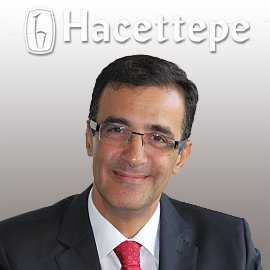

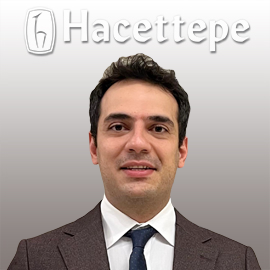
Oğuz Kuşcu
Otorhinolaryngology · Adult Hospital
Head-Neck, Thyroid and Salivary Gland Surgery Rhinology Pedaitric ORL…


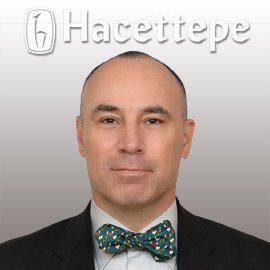
Serdar Özer
Otorhinolaryngology · Adult Hospital
Nose and sinus diseases, endoscopic sinus surgery, nasal aesthetics…



Contact / Directions
Outpatient Clinic of Otorhinolaryngology
It is located on floor B (2 floors below the ground floor) in Hacettepe Adult Hospital. It is located 2 floors below the end of the hallway that could be seen upon entering through door no. 7; 1 floor above upon entering door no. 4 and it is 2 floors below the first stairs that could be seen while walking towards the main hallways of Adult Hospital upon entering through doors no. 1 or 2.
The rooms of all of the academic staff in Department of Otorhinolaryngology are located in this outpatient clinic. Also, all of the Outpatient Clinic and academic staff examinations are given in this outpatient clinic.
Telephone: +90 (312) 305 17 86
Speech Pathology and Audiology Unit
It is located on floor B (2 floors below the ground floor) in Hacettepe Adult Hospital. It is located 2 floors below the end of the hallway that could be seen upon entering through door no. 7; 1 floor above upon entering door no. 4 and it is 2 floors below the first stairs that could be seen while walking towards the main hallways of Adult Hospital upon entering through doors no. 1 or 2. It is right across Outpatient Clinic of Otorhinolaryngology.,
The rooms of all of the academic staff in Department of Otorhinolaryngology are located in this unit where all of the tests are carried out as well.
Telephone: +90 (312) 305 14 36
Hearing and Speech Training Unit
It provides service on the 3rd floor of Hacettepe University Vocational School of Health Services. This building is located on the far right side of the road (towards uphill direction) that crosses through car park no. 1 which is located across Children’s Hospital.
Telephone:
+90 (312) 305 10 68 (These numbers do not have a connection to Otorhinolaryngology or Audiology departments.)
Adult Otorhinolaryngology Services (Ward 43)
It is located on the 3rd floor (3 floors above the ground floor) in Hacettepe Adult Hospital. It is located 3 floors above the end of the hallway that could be seen upon entering through door no. 7; 5 floors above upon entering door no. 4 and it is 3 floors above the first stairs that could be seen while walking towards the main hallways of Adult Hospital upon entering through doors no. 1 or 2.
Telephone: +90 (312) 305 14 30