
Hacettepe University Faculty of Medicine
Department of Dermatoloji and Venereology
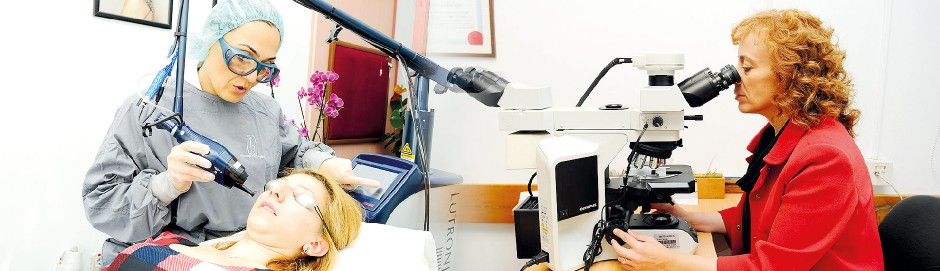
Department of Dermatology was founded by Prof. Özdemir Bingöl in 1963. It has been improved thanks to the contributions of Prof. Vedat Sezer and Prof. Sevinç Akkaya. Subsequent to the departure of Prof. Özdemir Bingöl from the department in 1977, Prof. Sevinç. Akkaya has assumed the role of department head with her esteemed studies and has established the principles of training in contemporary dermatology until retirement in 1996. Over 60 specialists, who have still been working in various university / training and research hospitals as department heads or academic staff members, have received education in Department of Dermatology. In addition to the importance attached to specialist training and medicine student education delivered, Hacettepe University Department of Dermatology has always adhered to the principle of following the improvements in the area, putting diagnostic and therapeutic innovations into practice in respect to patient care and creating an environment where patients are always treated with good-humored and respectful behaviors.
Services Offered
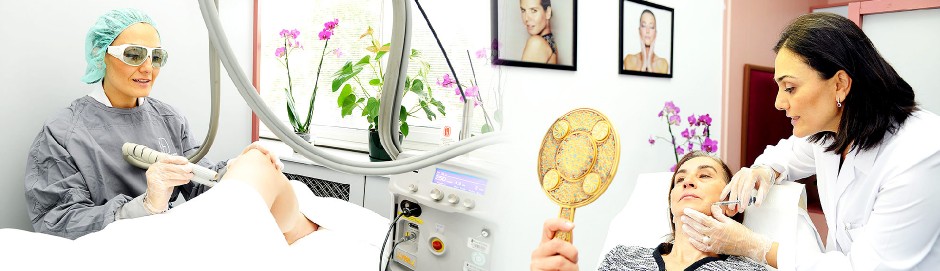
Pediatric and adult patients who come to Hacettepe University Adult Hospital and İhsan Doğramacı Children’s Hospital for dermatologic conditions (cutaneous (skin), hair, nail conditions; congenital skin conditions, STDs (sexually transmitted diseases)) are provided with service. Academic staff, residents, technicians and nurses render the services in the department.
Infectious skin diseases (such as fungus, bacterial, parasitic and viral skin diseases), inflammatory skin diseases (such as psoriasis, hair loss, vitiligo, Behçet’s disease), skin cancers and skin lymphomas, sexually transmitted diseases such as syphilis, genital wart, genital herpes, pubic louse and mange, genital molluscum contagiosum, soft chancre (chancroid), lymphogranuloma venereum, granuloma inguinale are diagnosed, treated and followed in our department.
Hacettepe University Faculty of Medicine Adult Hospital, floor A;
• Department of Dermatology
• Mycology laboratory
• Dermatology invasive procedure room
• Phototherapy unit
• Dermatologic ultrasound unit
• Pigmented lesion/nevus follow-up unit
• Laser unit
• Cosmetology unit
There are 2 outpatient clinic rooms in Supplementary Outpatient Clinics Building, a ward and surgical invasive procedure room in ward 72 located on the 2nd floor of Adult Hospital and a pediatric outpatient clinic of dermatology that admits pediatric patients in green hall of Hacettepe University İhsan Doğramacı Children’s Hospital.
40 patients are admitted to outpatient clinic for adults while 25 new patients are admitted to pediatric outpatient clinic everyday with appointment. Patients diagnosed with psoriasis are followed up and treated in psoriasis outpatient clinic on given weekdays.
Approximately 15 inpatients receive treatment in the 6-bedded ward.
Chronic Diseases Outpatient Clinic
Our chronic diseases outpatient clinic, where psoriasis, urticaria (hives), hidradenitis suppurativa and pemphigus vulgaris are diagnosed and treated, is open every day. Our clinic was accredited as a UCARE urticaria center of excellence in 2019, and on Thursdays the Chronic Diseases Outpatient Clinic serves patients diagnosed with urticaria.
Mohs Micrographic Surgery Unit
The Mohs micrographic surgery unit is located on the 2nd floor of the Adult Hospital, Unit 72. “Microscope-Controlled Excisional Biopsy Procedures” are performed for tumors that risk extending beyond the visible border on the skin. This method is also known as Mohs Surgery. However, our Mohs micrographic surgery unit is not currently active, and it is expected to be reactivated as soon as possible.
Pediatric Dermatology Outpatient Clinic
Our clinic serves people aged 0-17 who have skin diseases. In addition to skin diseases common in the pediatric period, rare genetic diseases are diagnosed and treated.
Mycology Laboratory
Infectious skin diseases are diagnosed with microscopic examination of specimen collected as skin scrapings, nail clippings and epilated hairs as well as Tzanck smear.
Invasive Dermatology Unit
Biopsy (specimen) in different methods (incisional or excisional) is collected from skin lesions as required for diagnostic purposes in our invasive dermatology unit. Excisional biopsies are performed for diagnosis and treatment of superficial malignant and benign skin tumors and pigmented lesions (moles). “Microscope Controlled Excisional Biopsy” is performed on tumors which pose the risk to burrow beneath the visual border on the skin. This method is also known as Mohs Surgery. Additionally, cautery and cryotherapy as well as probes in various sizes and contact probe are used in the invasive dermatology unit. Cyrotherapy (freezing), cautery or chemical peeling is performed on warts, molluscum, seborrheic and actinic keratosis for treatment. All of these procedures are carried out in line with the recommendation given by your physician after your examination. Furthermore, chemical cauterization, TCA, intralesional steroid injection, DPCP, pathergy test and, for diagnosing allergic skin conditions, patch test are applied in dermatology invasive procedure room. USG device in the department allows imaging skin in respect to neoplastic and inflammatory lesions.
Dermatopathology
A microscope to examine and photograph skin biopsies is available in the department. Patients are evaluated by the academic staff from Department of Pathology and Department of Dermatology collaboratively in order to discuss the appropriateness of clinic and pathologic diagnoses.
Pigmented Lesion Unit
Mole mapping and follow-up are conducted in pigmented lesion unit with the methods of computed nevus follow-up and dermatoscopic examination. Dermatoscopy is the surface skin microscope which allows ascertaining whether pigmented lesions (moles) are malignant or benign. Early diagnosis of possible malignant alterations in moles is possible thanks to dermatoscope. It is performed on any patient who has applied to our department for moles. Furthermore, a computed dermatoscopy device which allows following patients with multiple moles appropriately, archiving and keeping dermatoscopic images of moles and analyzing the changes which have occurred since the last control, is also available in the unit.
Phototherapy Unit
Our department is the first university clinic in Turkey to use phototherapy in skin conditions. Phototherapy, which is used in the treatment of several skin diseases, particularly psoriasis, vitiligo, mycosis fungoides, polymorph light eruption and pityriasis lichenoides is practiced with ultraviolet lamps which can generate the therapeutic wavelengths of sunlight (UVA and UVB). Cabins which can emit whole-body UVA, narrow-band UVB and wide-band UVB; local UVA and local UVB devices which emit to a specific region of the body as well as hair comb that emits narrow-band UVB to skin with hair are available in the unit. Furthermore, micro phototherapy device used for local application has also been introduced.
Laser Unit
Laser epilation, treatment of dermatologic vascular lesions with vascular laser and treatment of skin lesions with fractional ablative laser are given in laser unit. Laser epilation is performed with Nd: YAG laser, which is also used for treatment of telangiectasia (capillary vessels) on the face and varicose veins (varicose) in the legs. Wrinkles, spots, acrochordons (small tag of skin) which occur on the skin with age as well as acne scars are treated with Fractional-Carbon dioxide laser.
How Can I Benefit from the Service?
Patients should Book an appointment by dialing 444 44 44 for initial examination or controls.
Patients above 17 are examined in the outpatient clinics for adults located in the supplementary outpatient clinic building. Patients below (and including) 16 are treated in the Green Hall located in Hacettepe İhsan Doğramacı Children’s Hospital.
Select one of the 2 alternatives to request an appointment from Cosmetology-Laser Unit. Appointments can be requested personally or via phone by dialing the department line. The office hours of the unit are: 08:30-17:00 from Monday to Friday.
Telephone: +90 (312) 305 24 11
** As trainings are held on Wednesday, outpatient clinics for adults are closed while pediatric outpatient clinics provide service until noon.
Our doctors
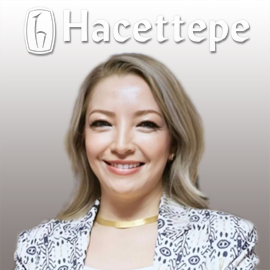
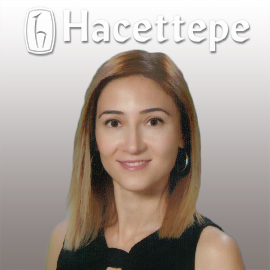
Sibel Doğan
Dermatology · Adult Hospital
Psoriazis (sedef hastalığı), Behçet Hastalığı ve derinin immünolojik…
Contact / Directions
Our department is located on floor A in Hacettepe University Adult Hospital. Treatment units and physician’s offices are located on floor A, in supplementary outpatient clinics building, green hall of pediatrics in İhsan Doğramacı Children’s Hospital and Ward 72 in Adult Hospital.
Department of Dermatology
It is located on floor A in Hacettepe University Adult Hospital.
Telephones:
+90 (312) 305 17 04
+90 (312) 305 17 06
Adult Outpatient Clinic of Dermatology
It is located on the ground floor of Hacettepe University supplementary outpatient clinics building.
Telephone:
+90 (312) 305 16 93
Pediatric Outpatient Clinic of Dermatology
It is in the Green Hall in Hacettepe University Children’s Hospital.
Telephone:
+90 (312) 305 11 39
Phototherapy Unit
It is located on floor A in Hacettepe University Adult Hospital.
Telephone:
+90 (312) 305 19 07
Cosmetology and Laser Unit
It is located on floor A in Hacettepe University Adult Hospital.
Telephone:
+90 (312) 305 24 11
Pigmented Lesion-Nevus Unit
It is located on floor A in Hacettepe University Adult Hospital.
Telephone:
+90 (312) 305 19 07
Inpatient Services
It is located in Ward 72 in Hacettepe University Adult Hospital.
Telephone:
+90 (312) 305 17 20